

Architecture provides shelter, habitat, and envisages a social space, reflecting the vision of the creators and inhabitants. “When we present our architecture to the world, we hold a mirror to our past, present, and future. Travelers will better understand Laos and respect the wisdom underpinning pre-colonial construction techniques”.
Heun Lanna
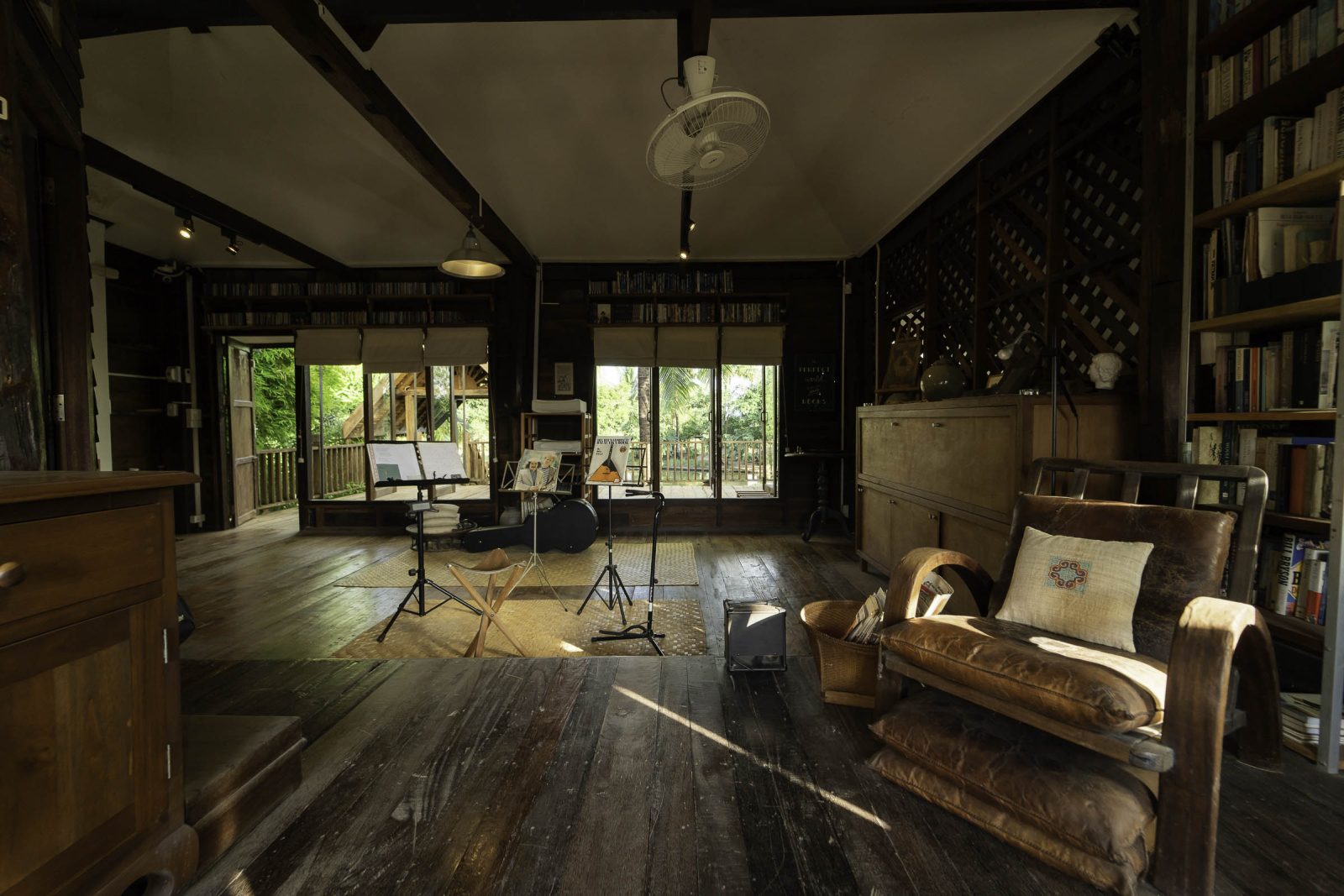
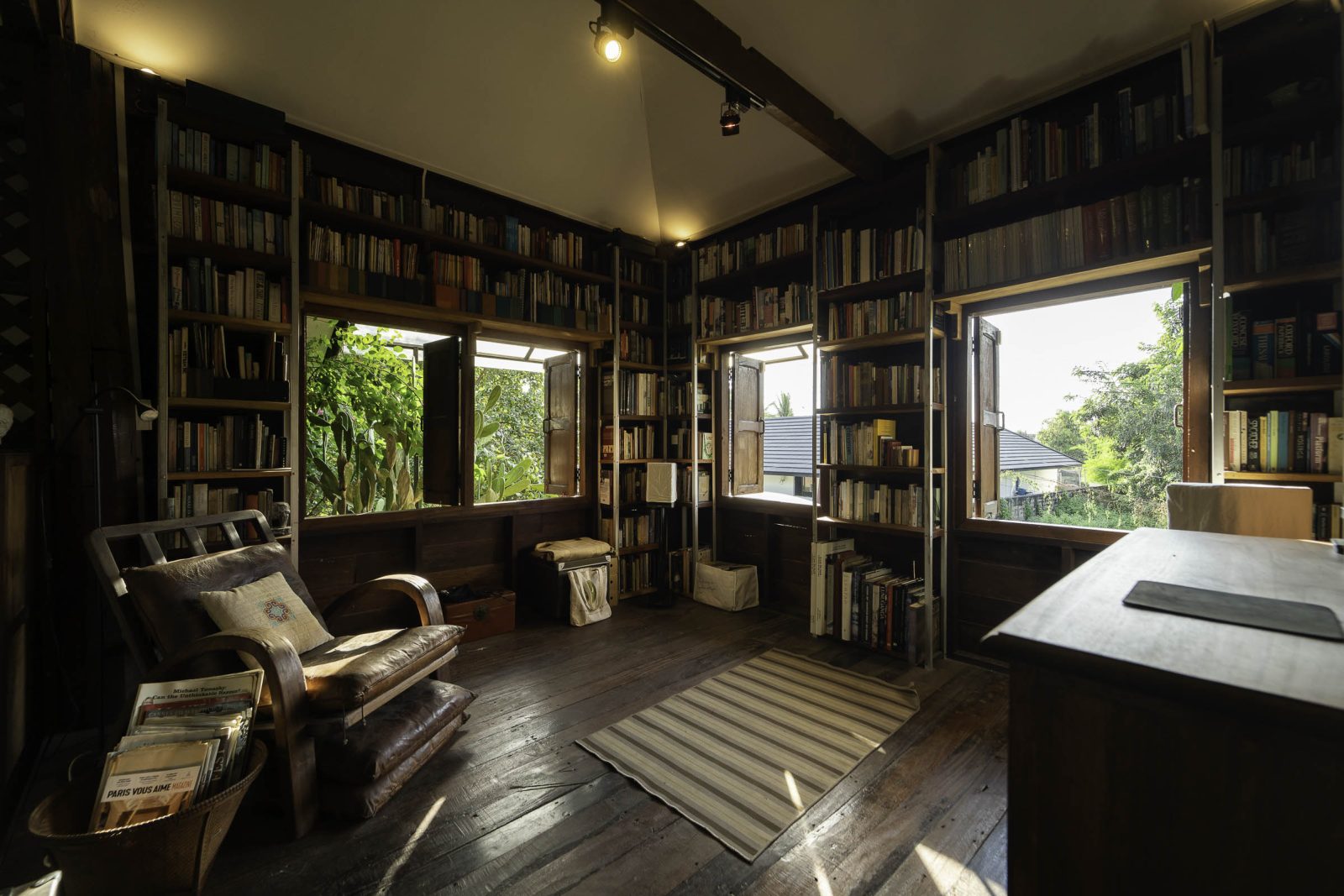
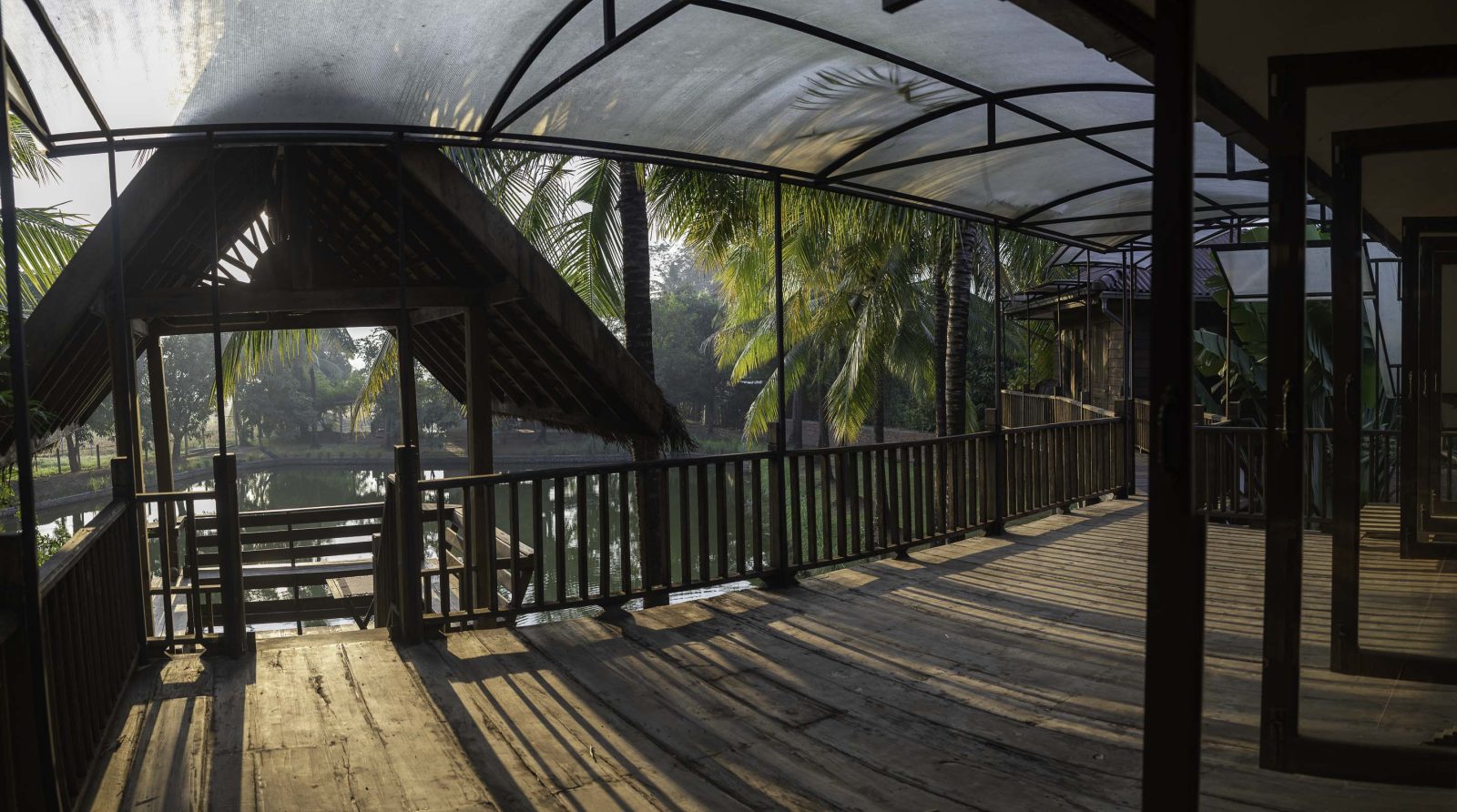
The traditional architecture of Lanna reflected Buddhist beliefs and provided for the worship of ancestral spirits, nature, and other holy items. In the beginning, Lanna architecture was influenced by its neighbors, and from the 16th to 18th centuries western styles, via Britain and Burma, and Chinese elements of construction were introduced.

Hom Samsa
Sandalwood
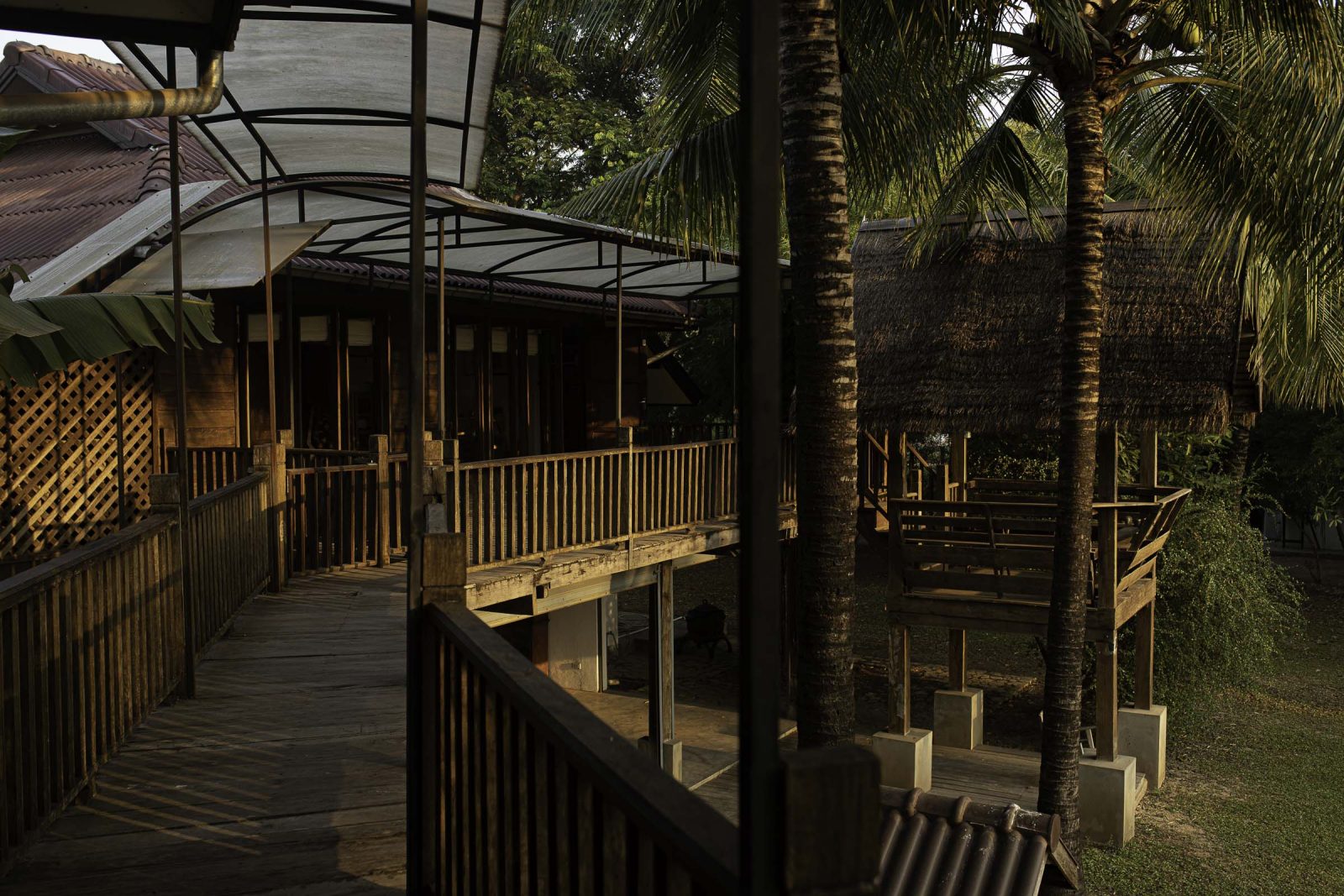
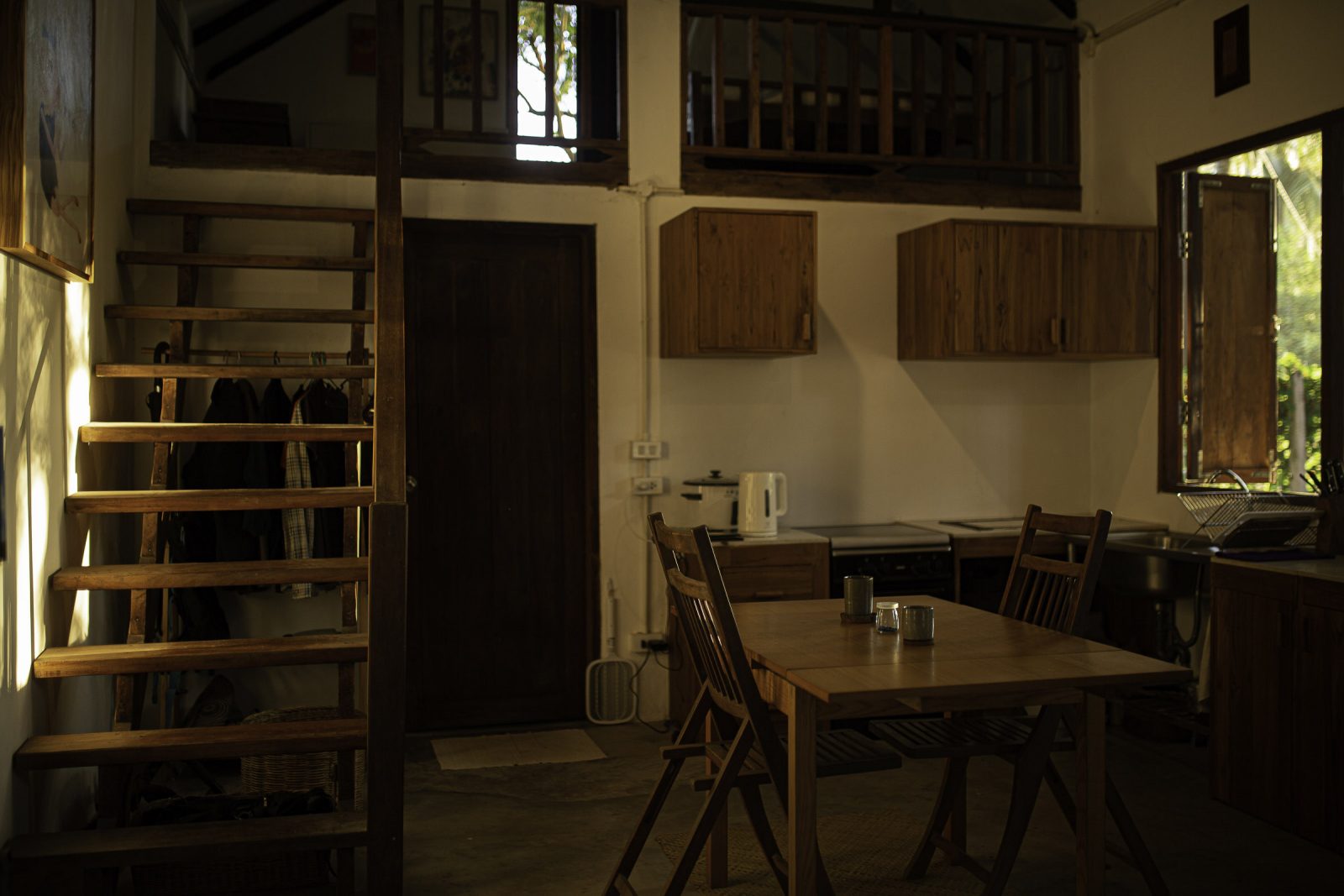
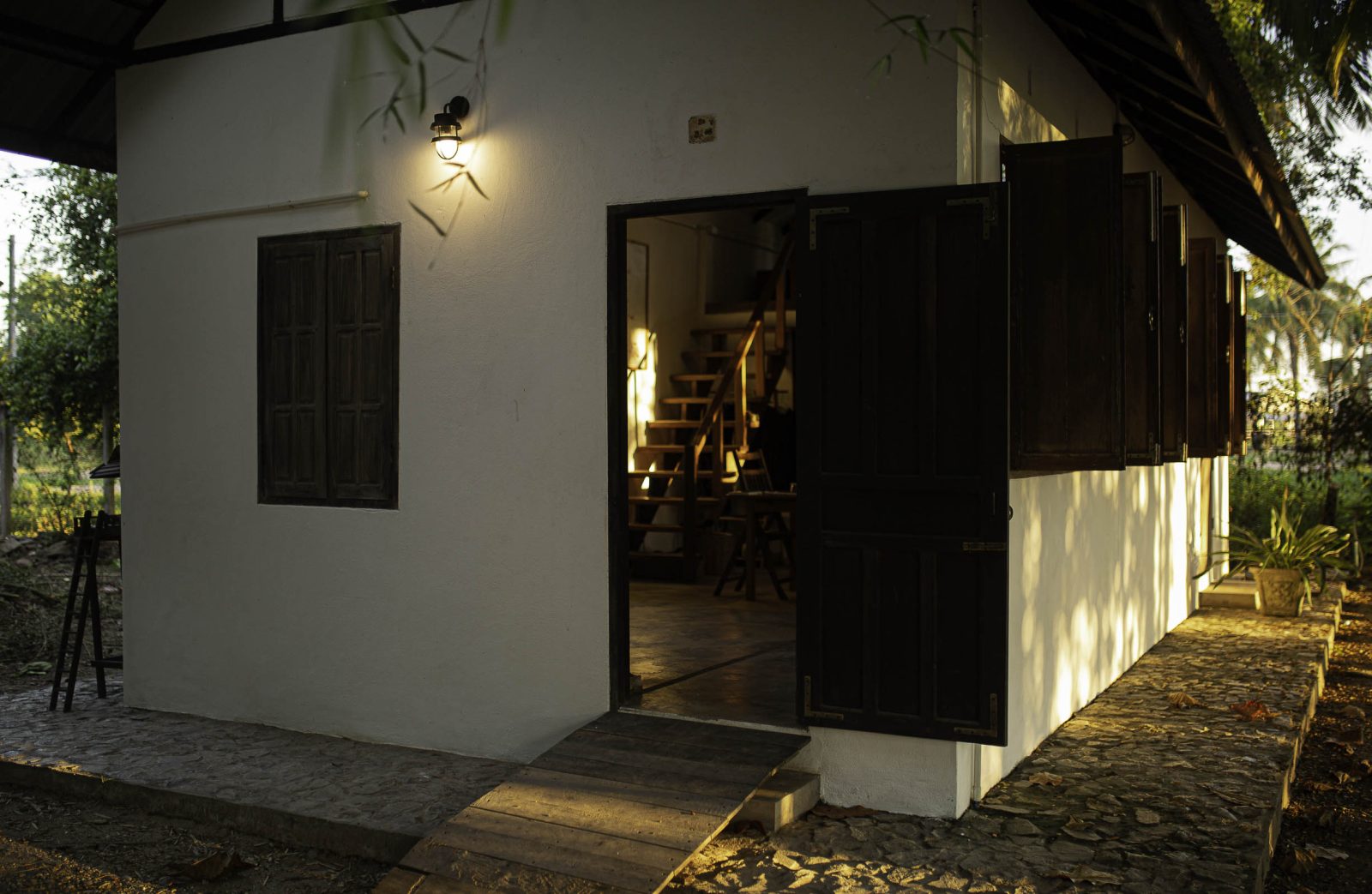
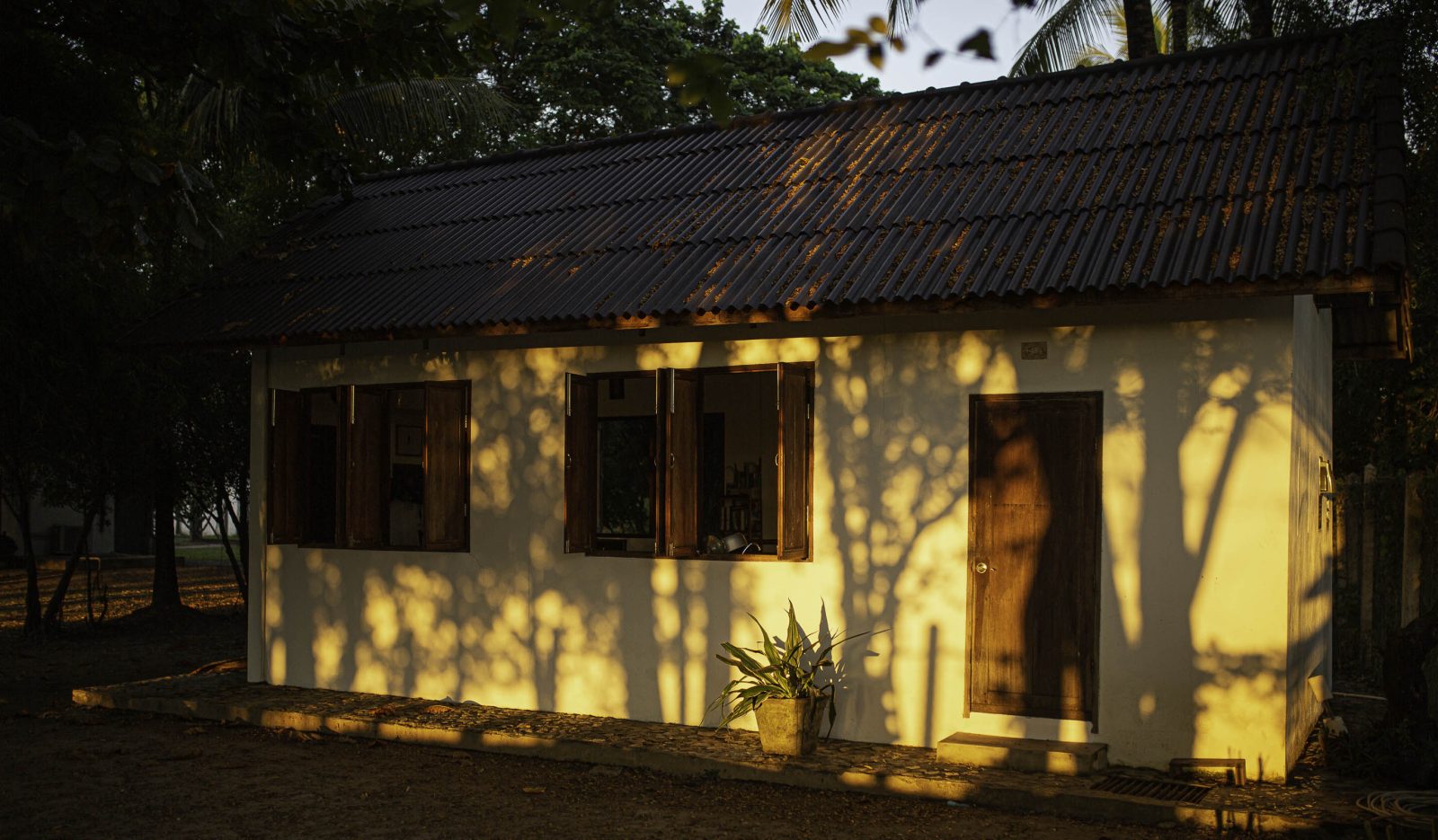
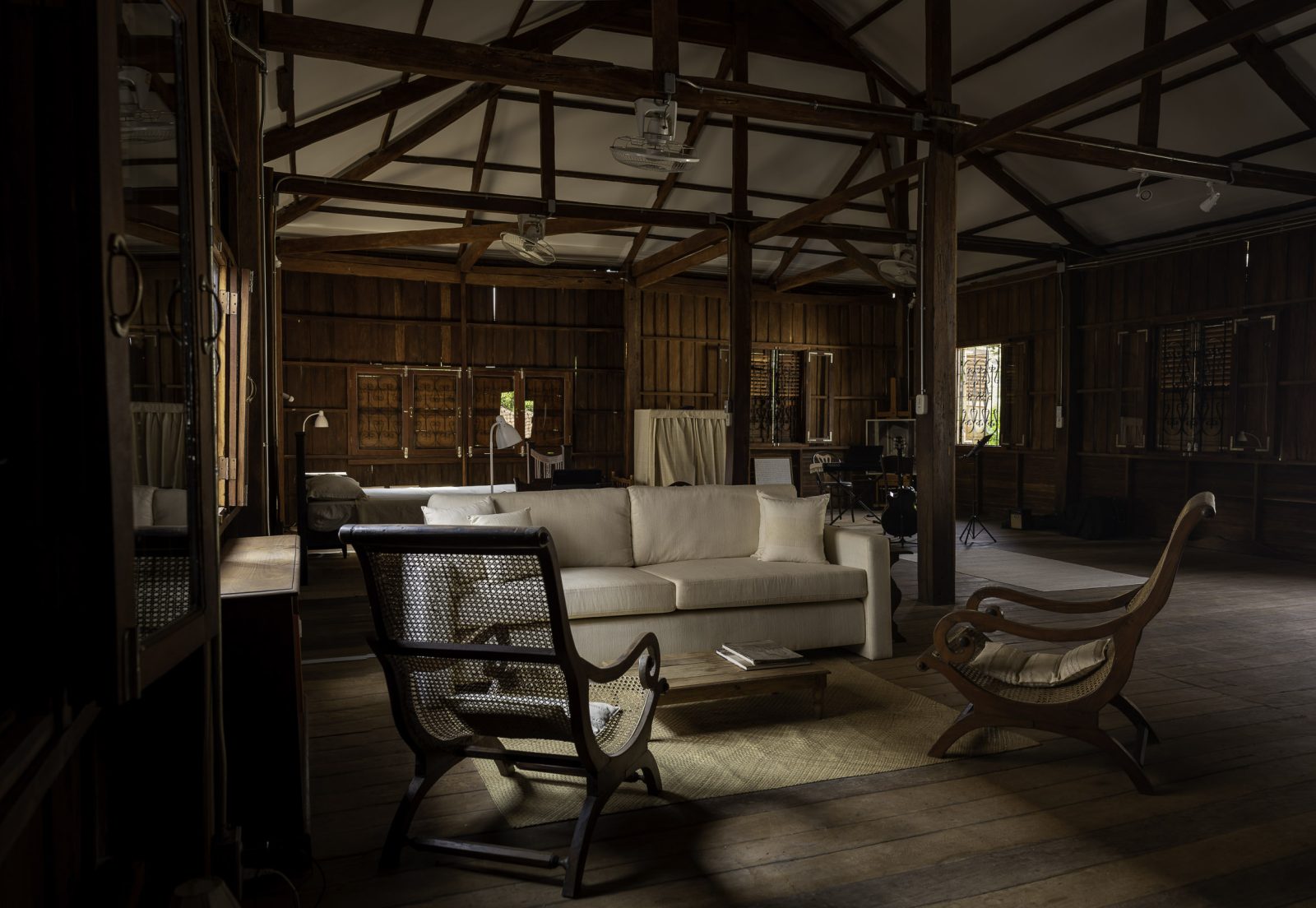
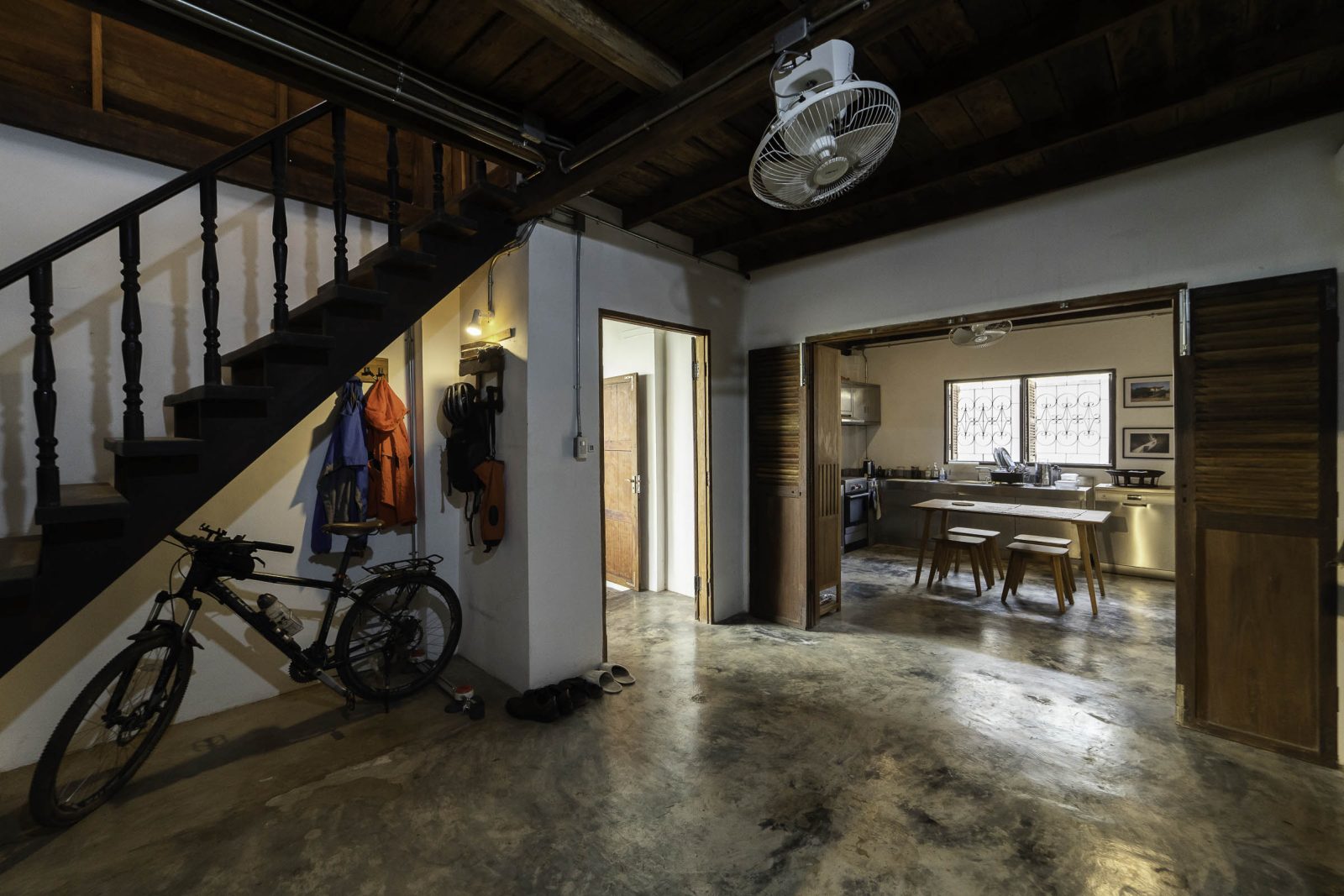
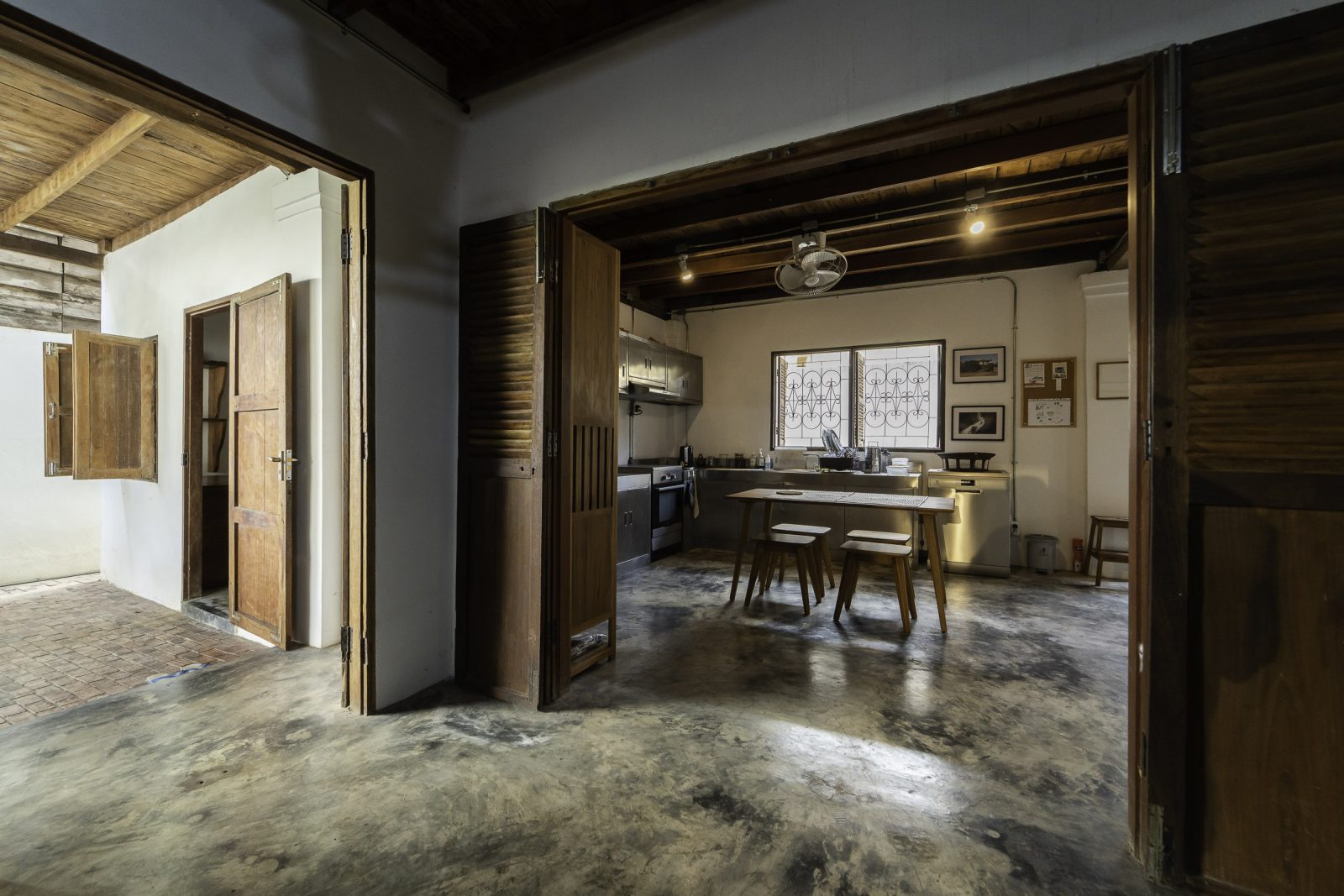
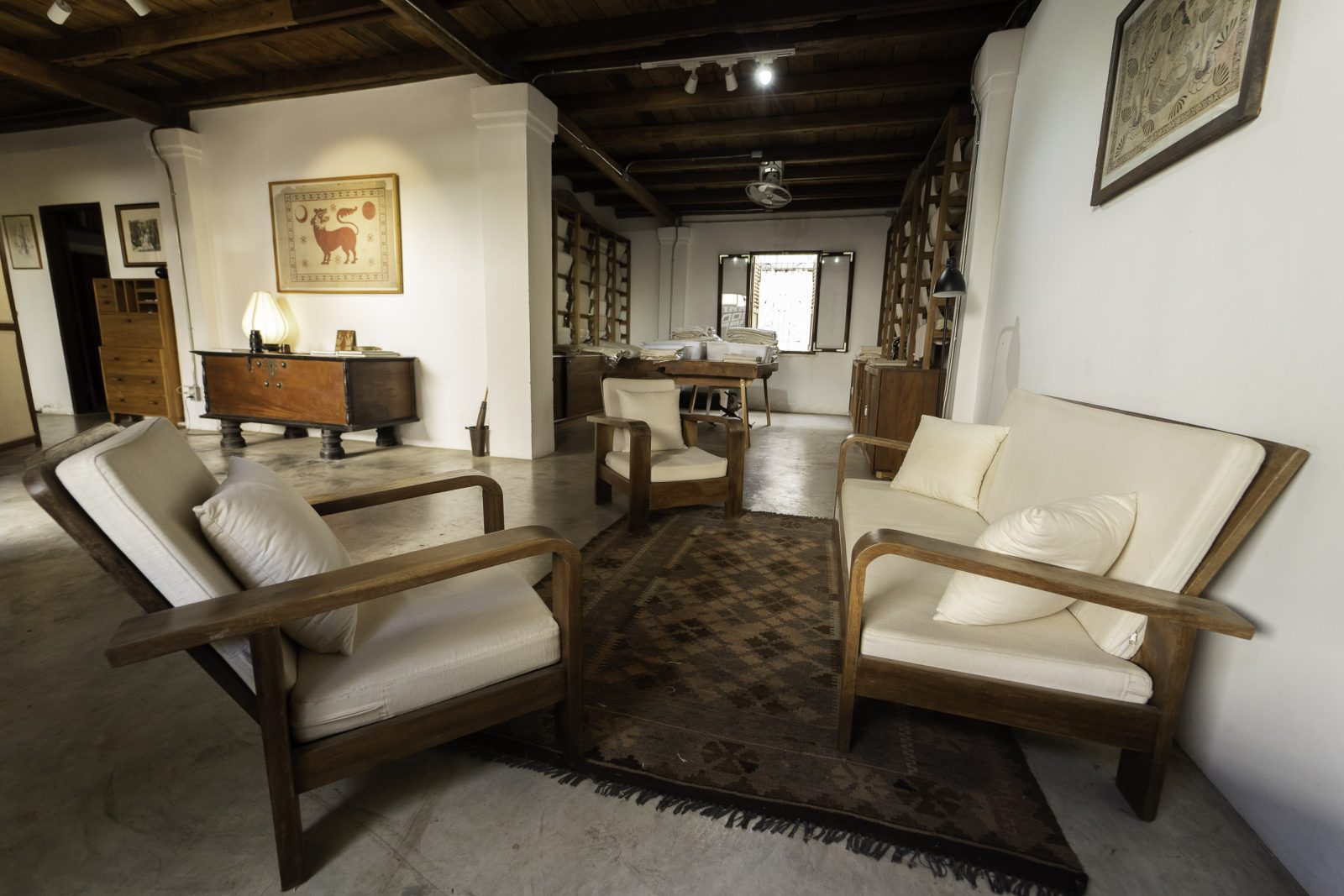
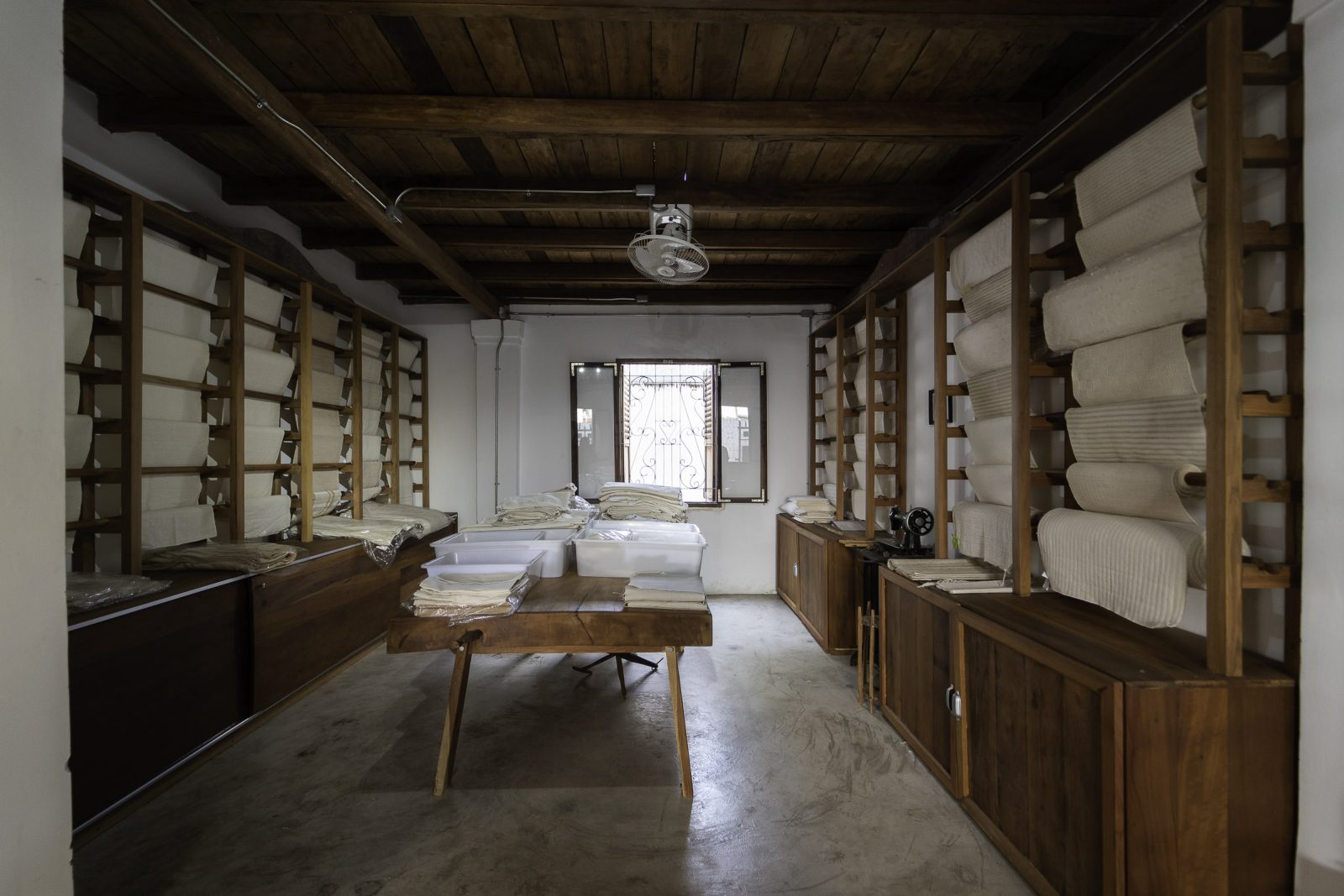
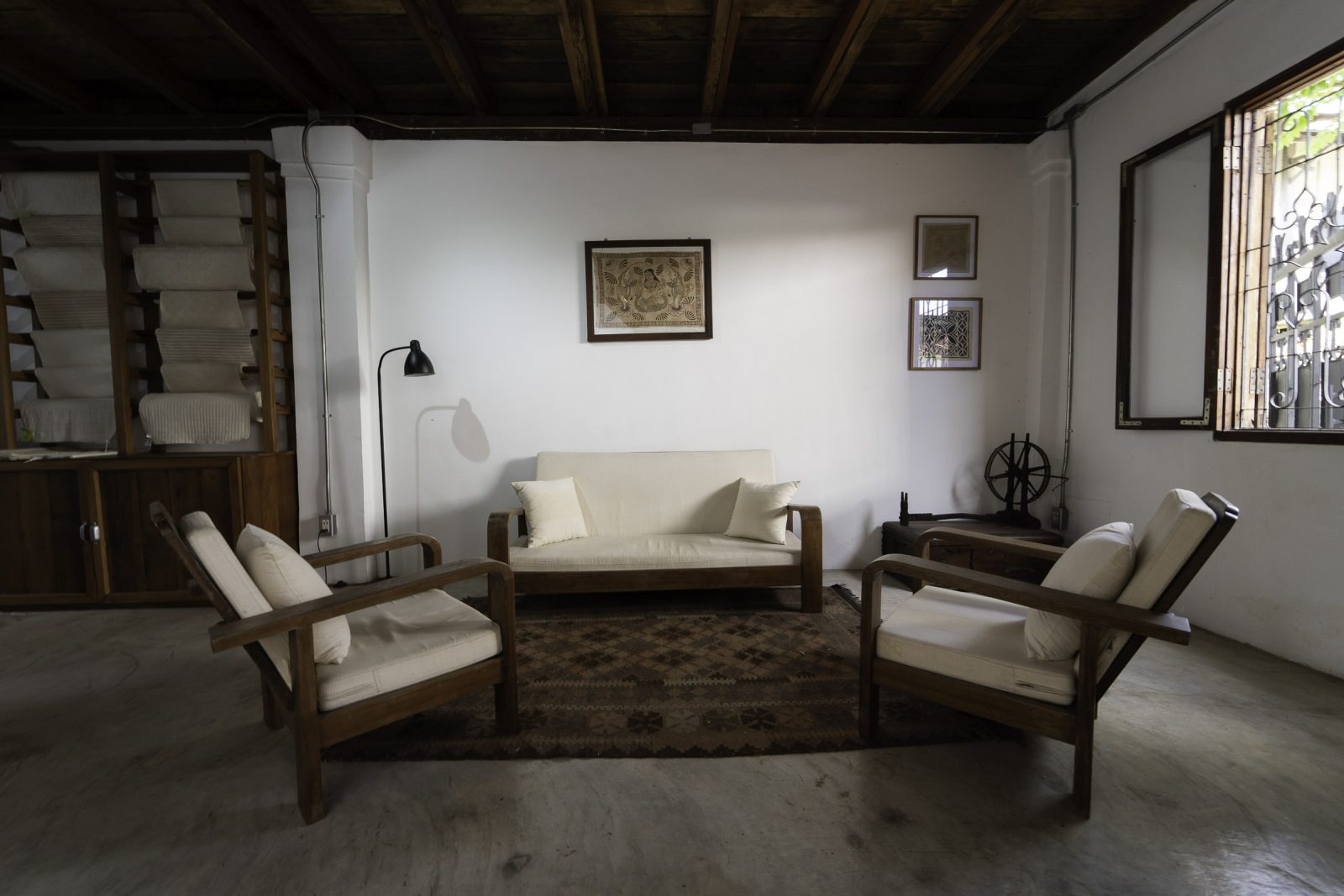
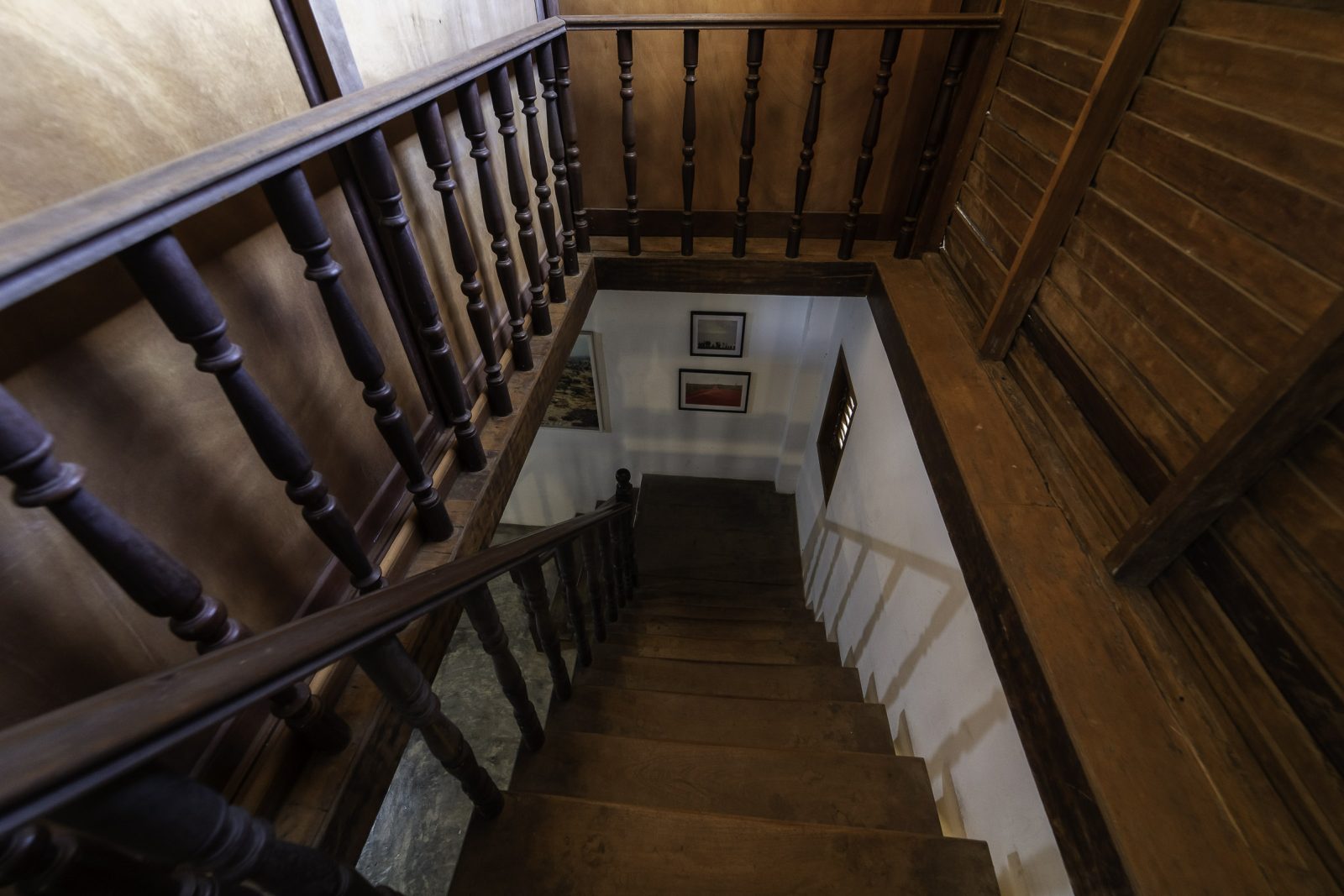
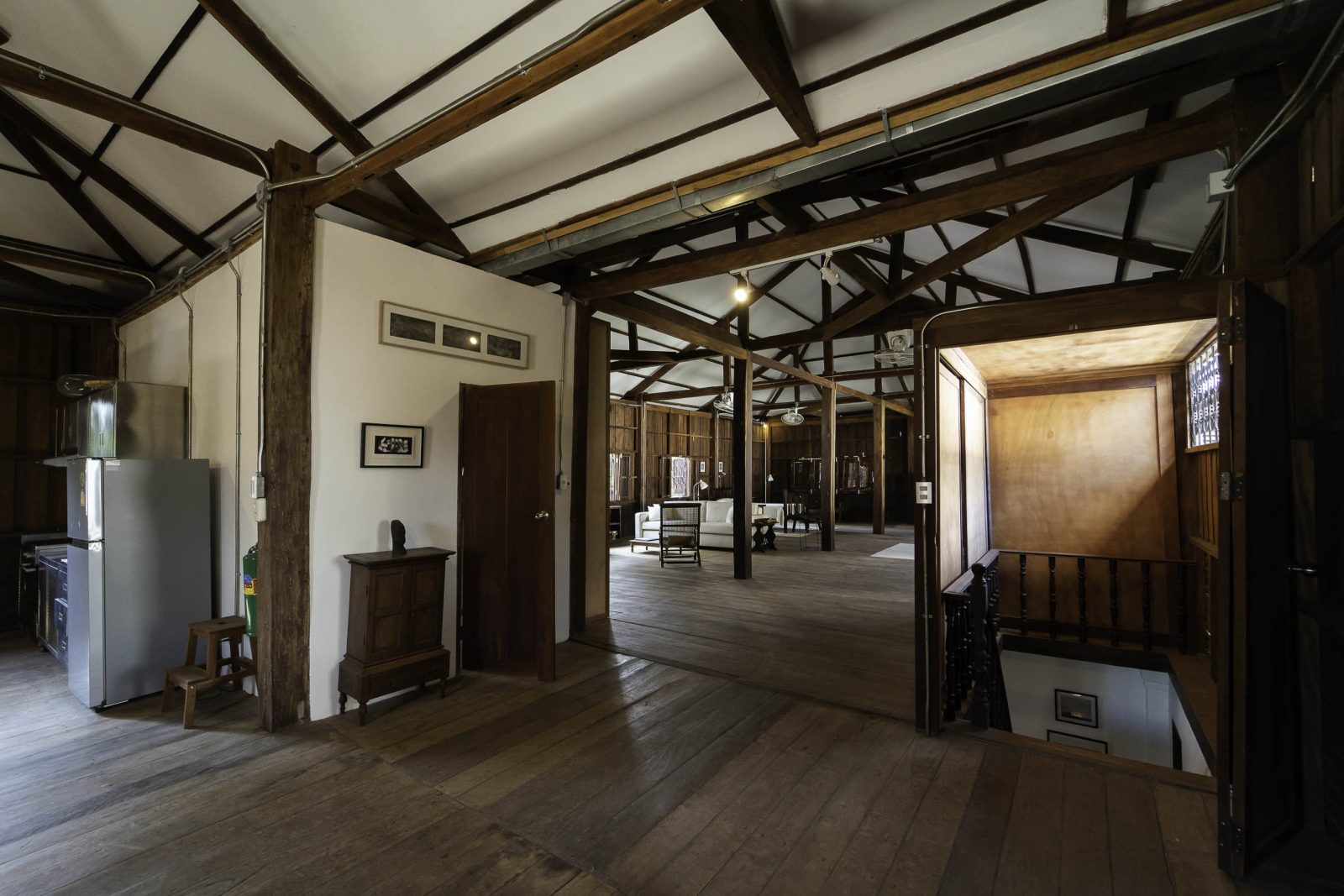
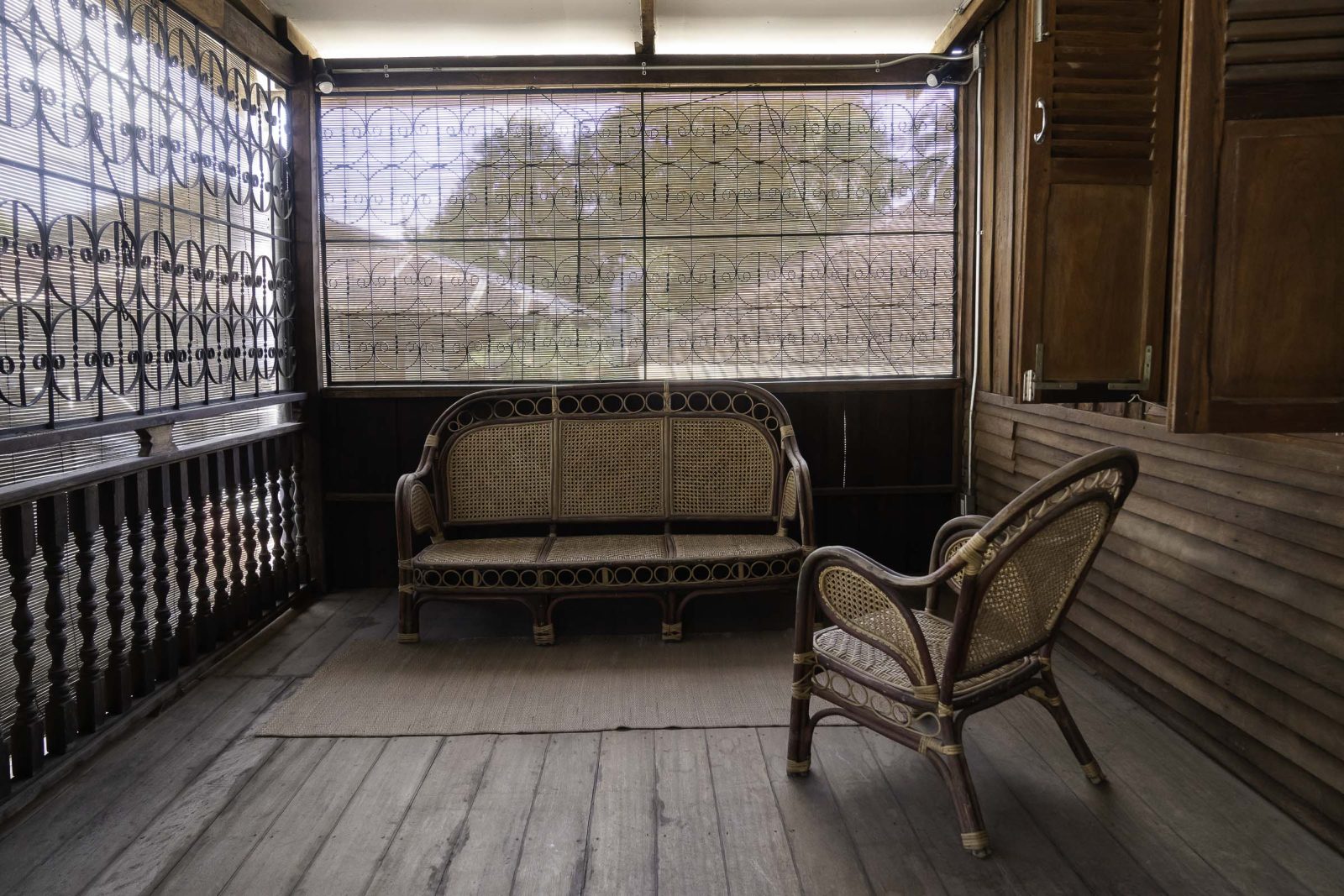
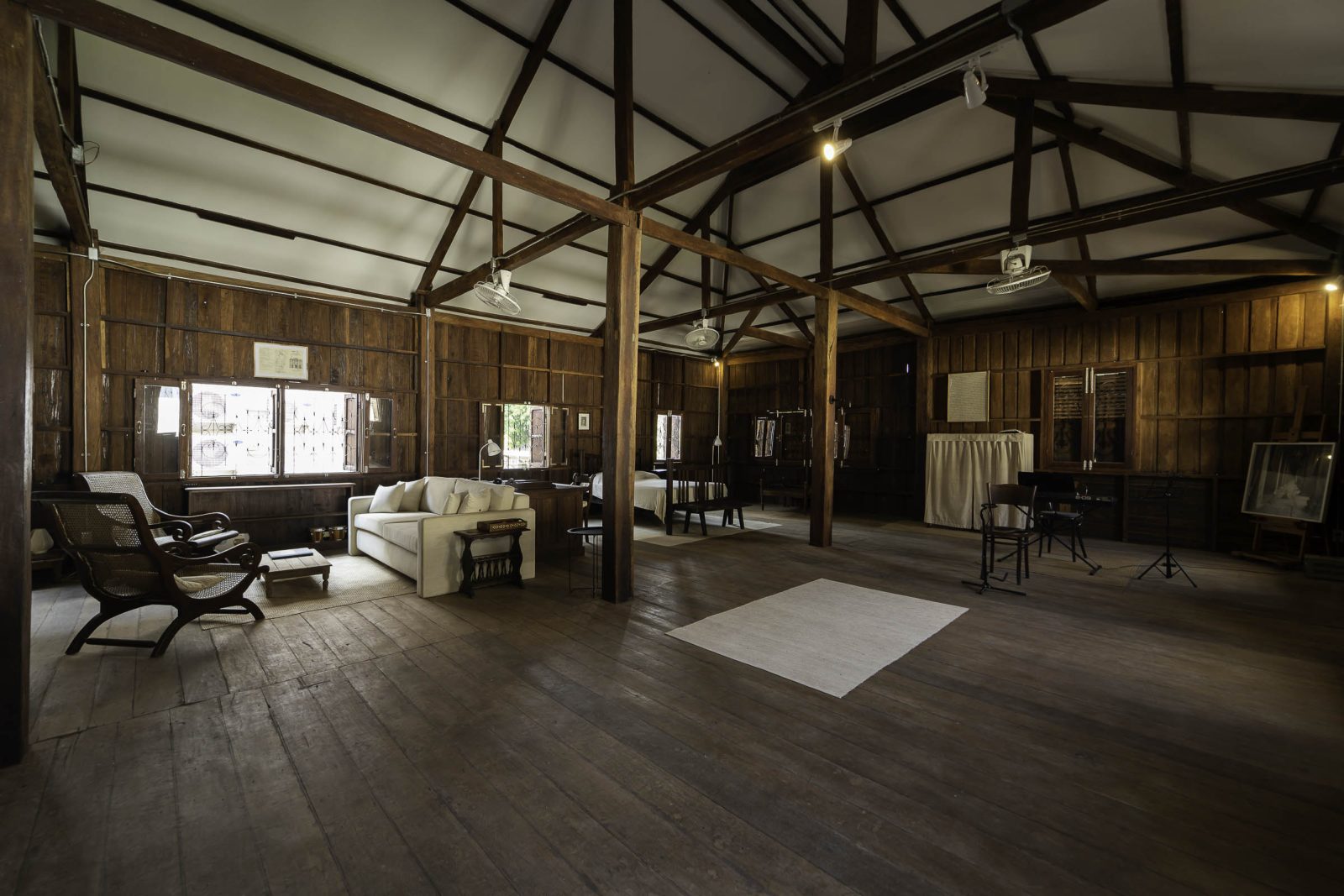
Sandalwood is Dong style, containing typical features such as vaulted ceilings, a single roof with separations beneath, and stairways inside leading onto a central corridor. The levels are visibly different, the downstairs is constructed with brick or cement, and the upstairs is constructed with wood only.
Toupna
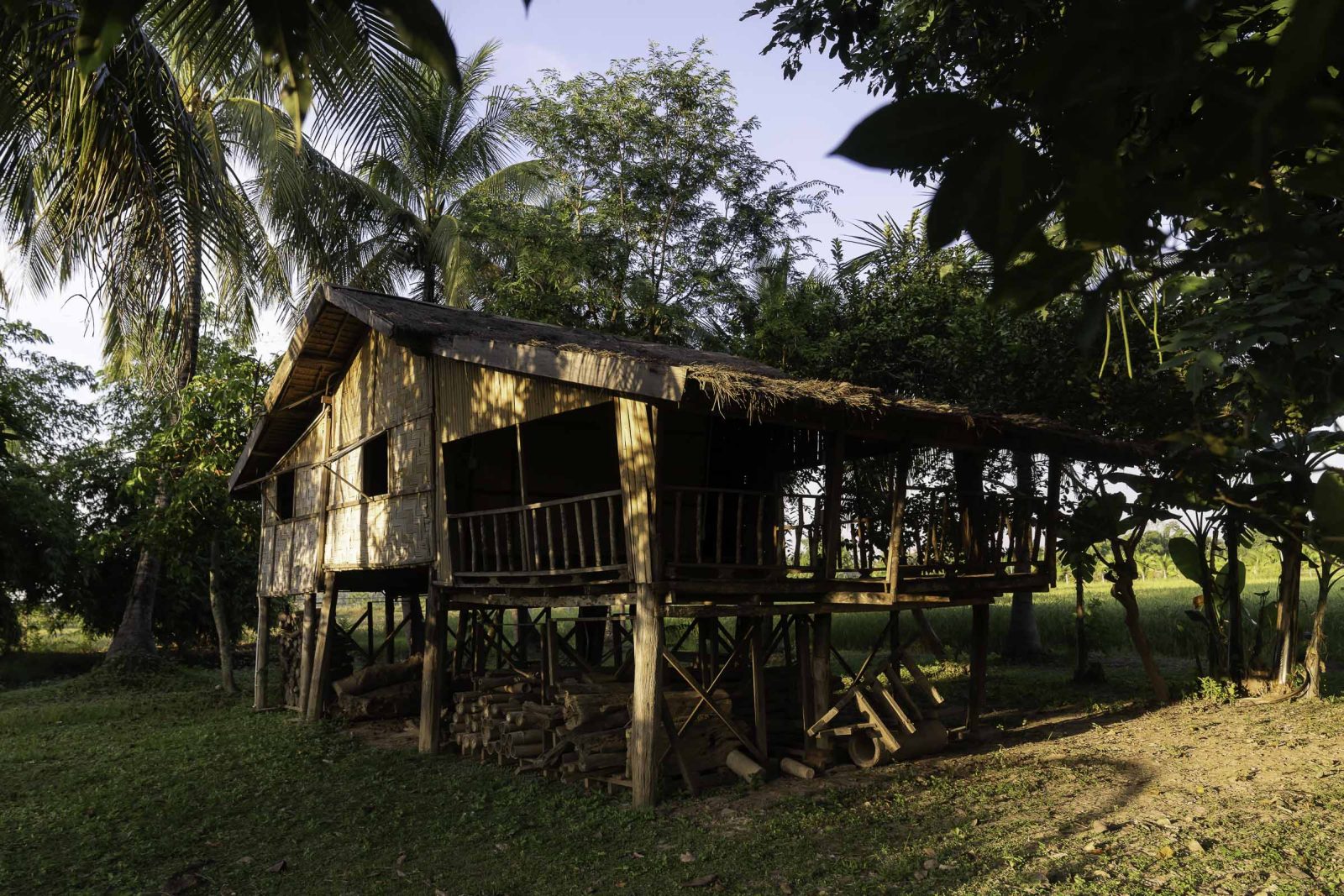
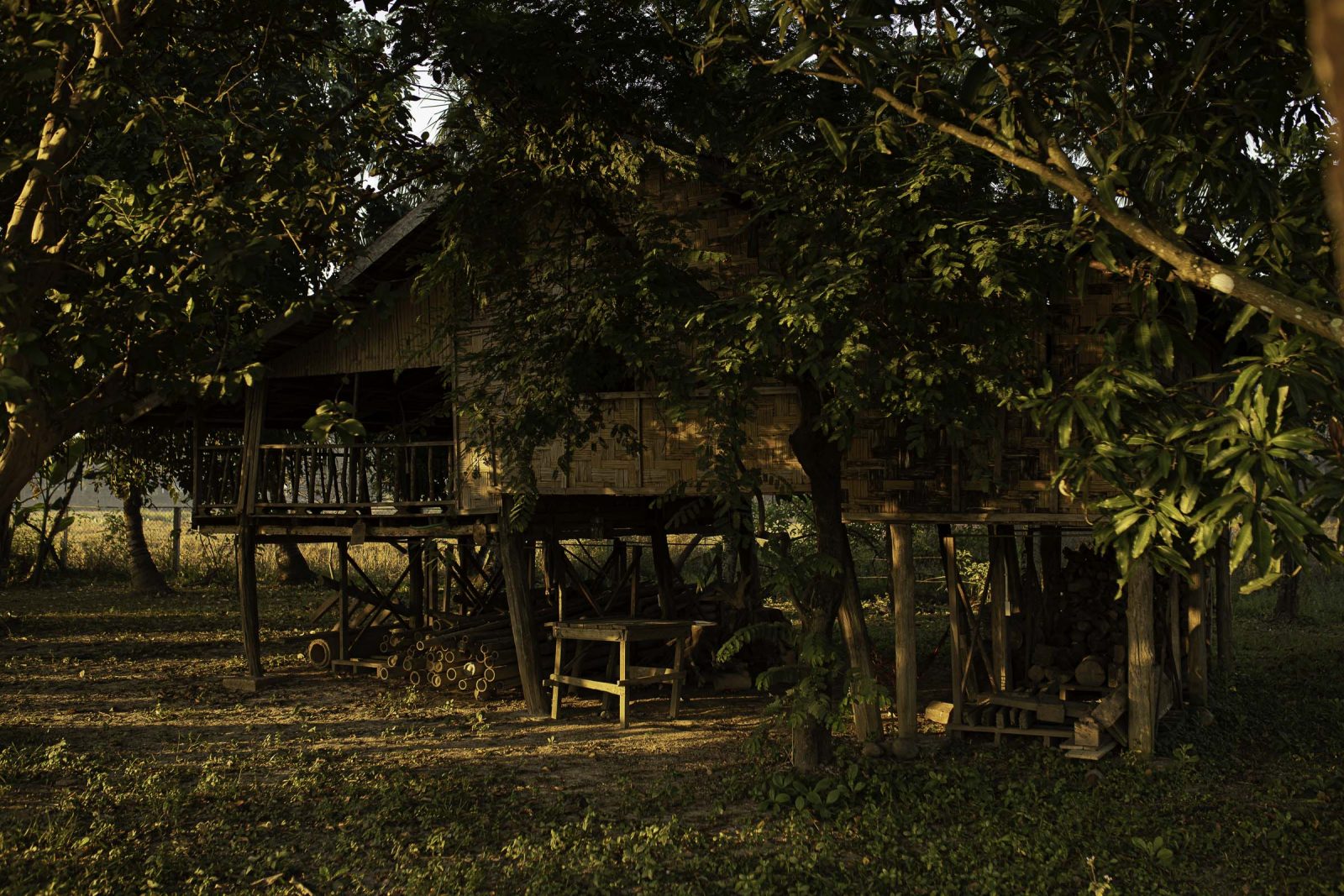
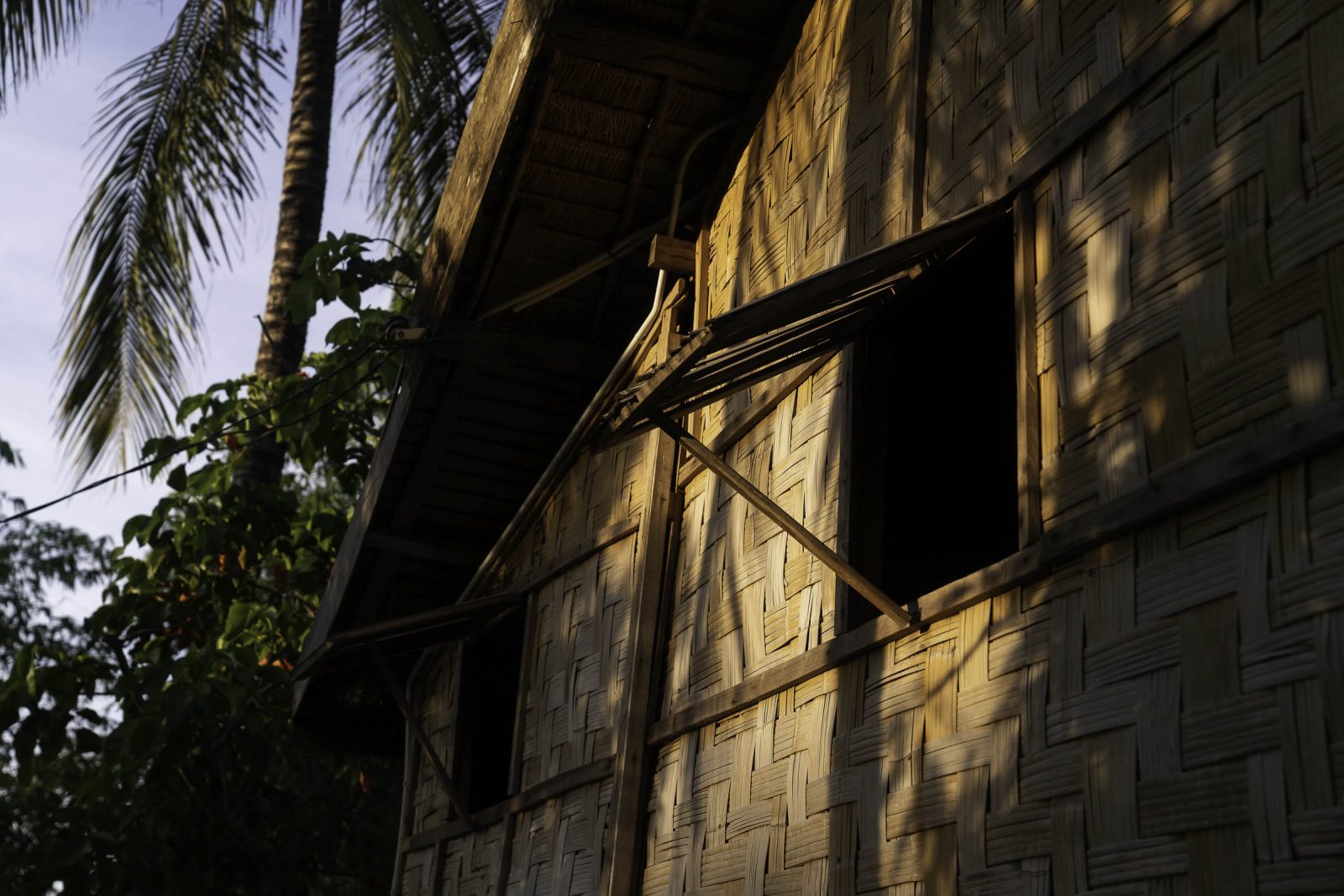
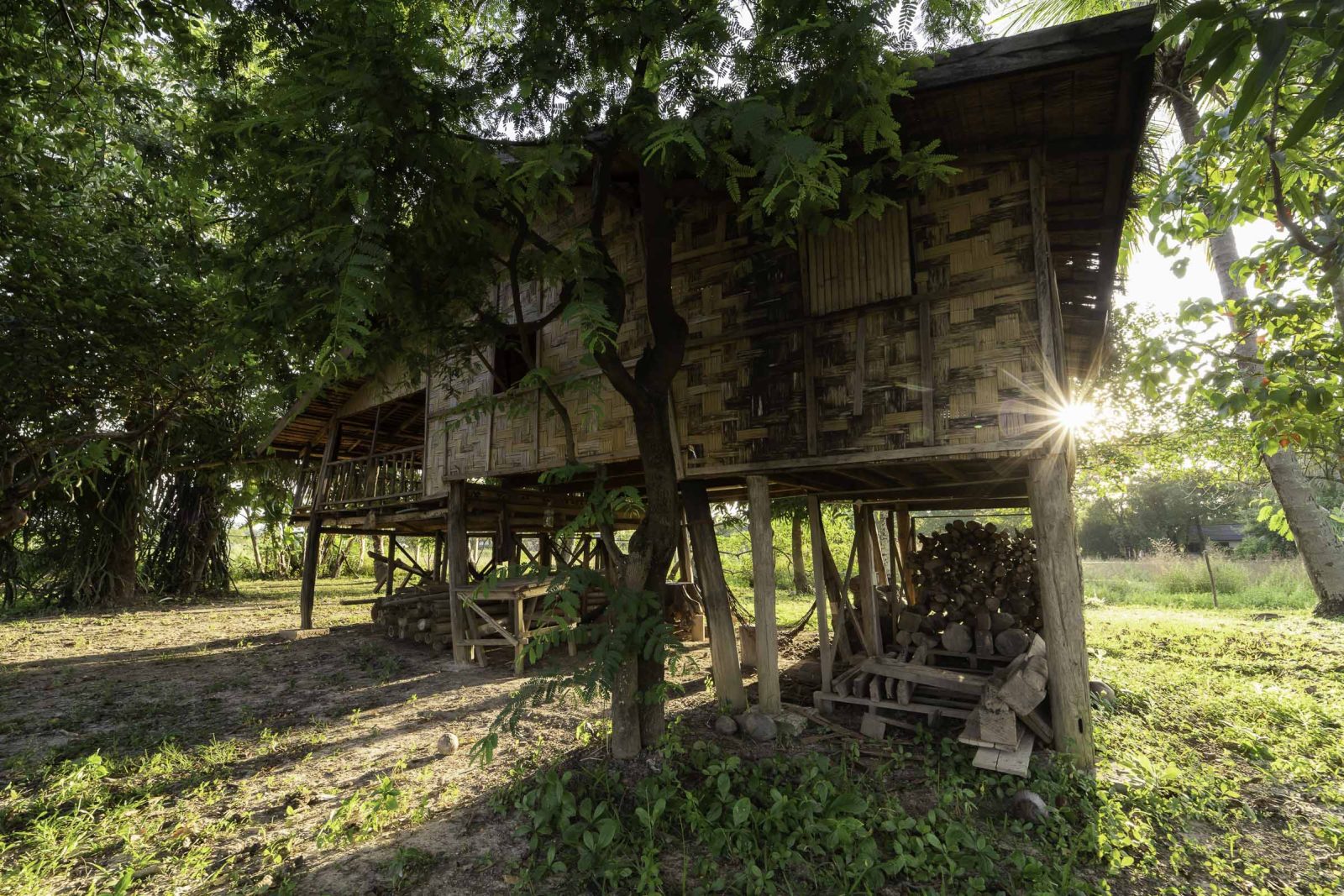
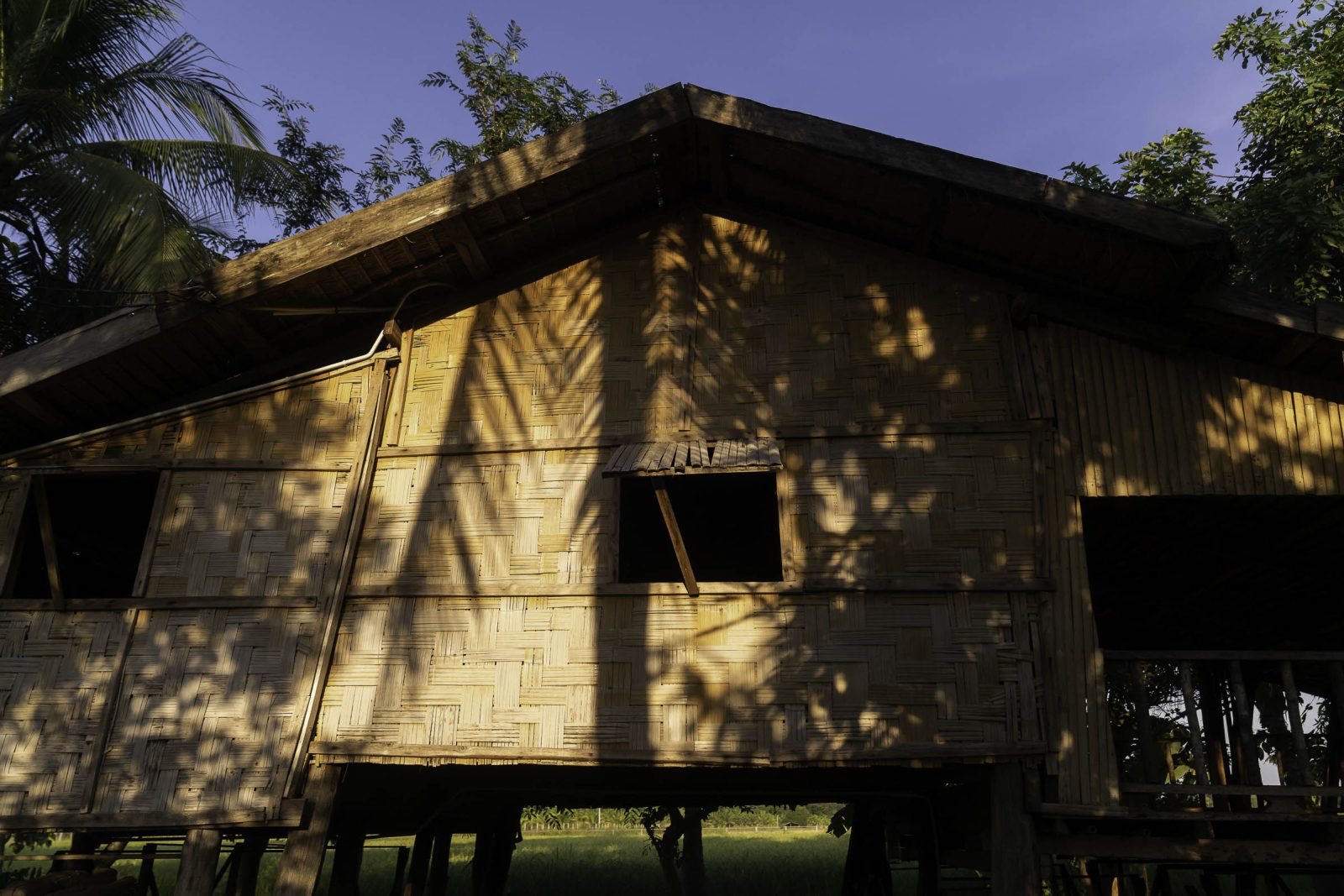
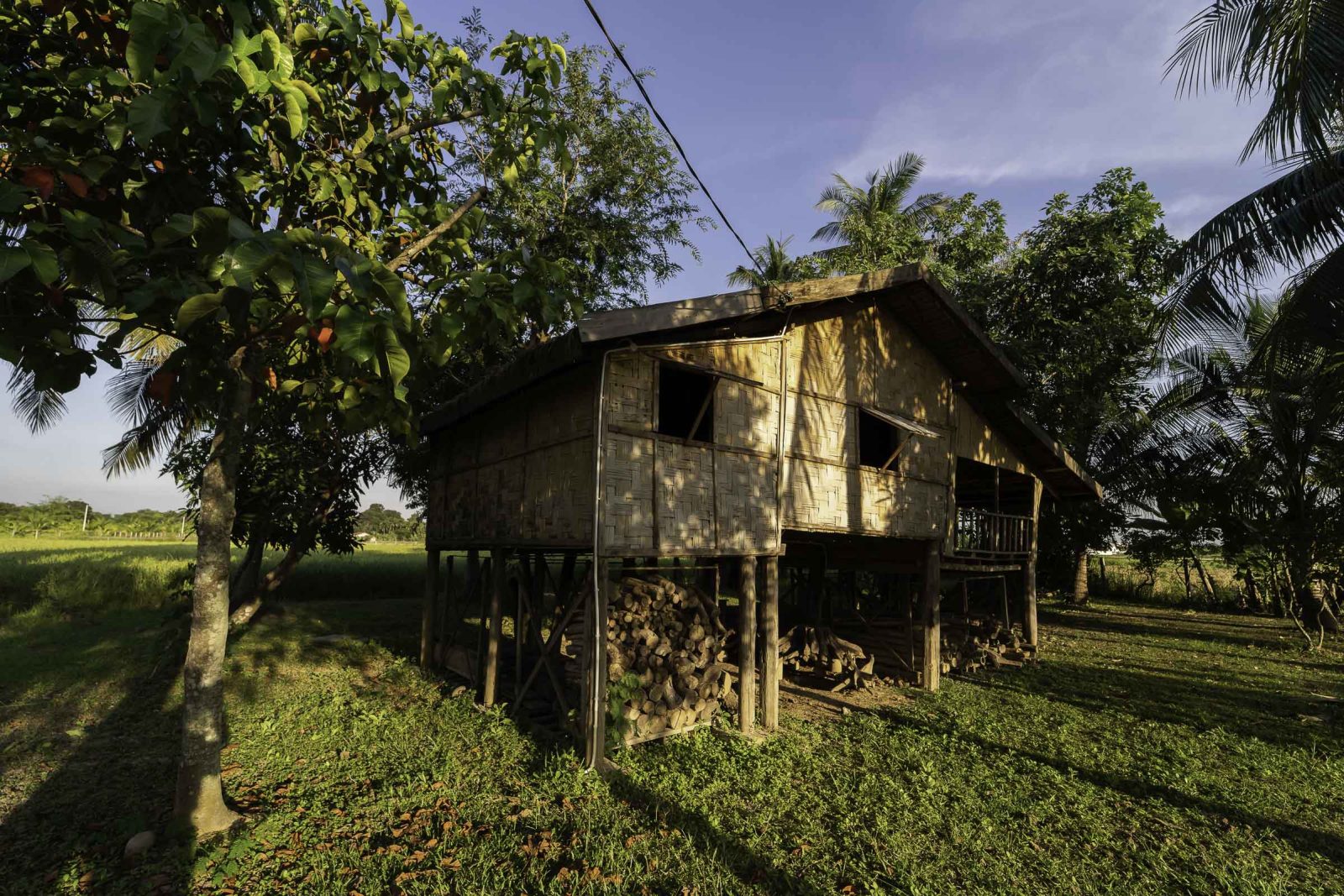
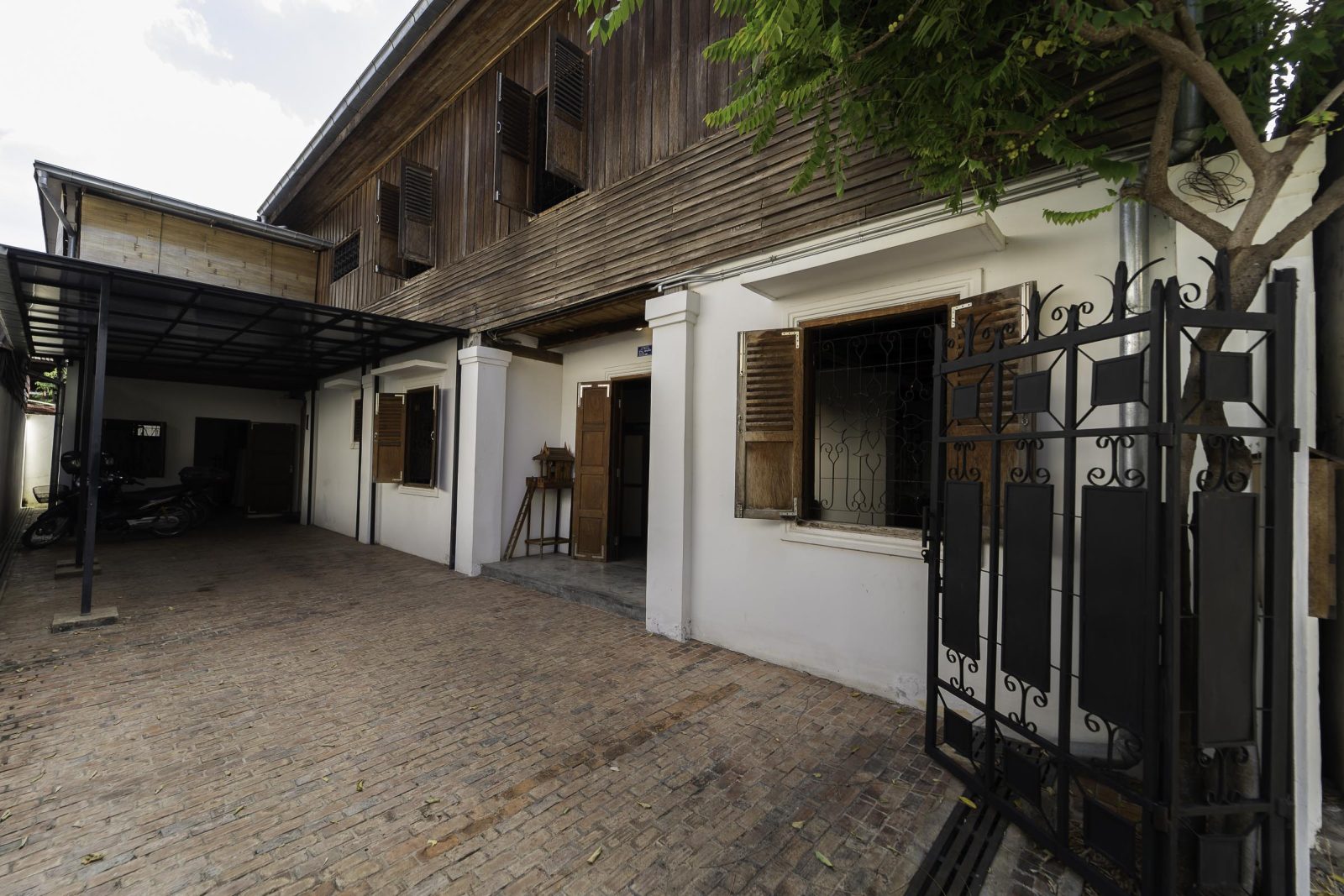
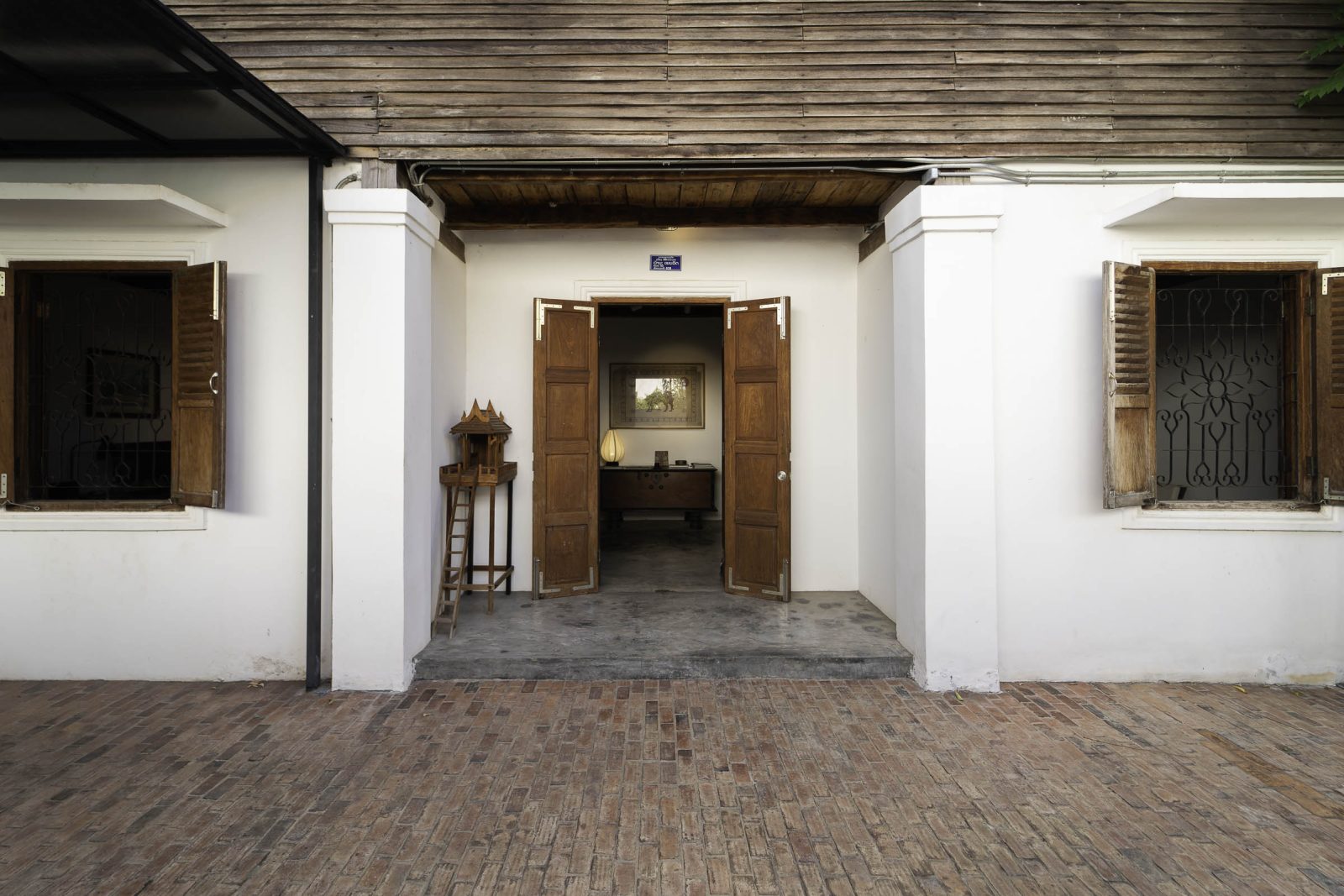
Toupna depicts the mythical Tai bamboo “stilt house”, described in an ancient folktale involving a lord and a golden phoenix. Built with bamboo from the forest and straw from the fields, the fabled house conveys tranquility and harmony with nature.